Medical Research
Key Takeaways: Children’s brains are learning powerhouses due to heightened plasticity—the ability to rewire in response to new experiences. A protein called Lynx1 acts as a “molecular brake,” slowing …
Key Takeaways C. difficile has a tough outer layer that makes it highly resistant to many antibiotics. Scientists have mapped this protective shield, which showed how its protein structure …
Key Takeaways Office workers and ventilation systems are major sources of indoor pollution. Volatile organic compounds (VOCs) from breath, cosmetics, and cleaning products linger in office air. Poor ventilation …
The kidneys, two bean-shaped structures located in the paravertebral gutters, are our major excretory organs. They are responsible for maintaining a stable internal environment of the body by engaging …
Key Takeaways: Bleeding gums may indicate low vitamin C levels, not just poor oral hygiene or gum disease. Meta-analysis of 15 trials (1,140 participants) and CDC data (8,210 people) …
Key Takeaways: Heavy smokers with robust DNA repair systems avoid accumulating mutations, reducing cancer risk despite smoking. Researchers found no link between smoking intensity and mutation count—some lifelong smokers …
Key Takeaways Genetics Shape Asthma Treatment – Differences in genes influence how patients respond to inhaled corticosteroids and impact asthma severity. One-Size Treatment Doesn’t Fit All – Personalized therapies …
Type 2 diabetes is a metabolic disease that develops with age, a sedentary lifestyle, and a high-fat diet. Diabetes is not a death sentence, the disease can be controlled …
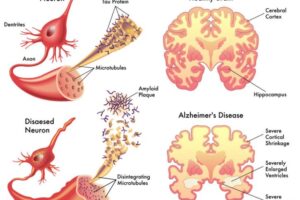
Alzheimer’s disease is a neurologic disorder that is characterized by progressive brain atrophy (shrinking of the brain) and the death of brain cells. People who are aged 65 and …
Key Takeaways: Faulty mitochondria in insulin-producing cells trigger a stress response that disrupts blood sugar control, per a University of Michigan study. An experimental drug, ISRIB (Integrated Stress Response …