Addiction
Adults who used generative artificial intelligence (AI) every day had 29% higher adjusted odds of reporting at least moderate depressive symptoms than less frequent users, according to a study …
Editor’s Note: This article was updated on November 14, 2026, to incorporate current scientific evidence on alcohol consumption, cognitive decline, and dementia risk. The revisions clarify that excessive alcohol …
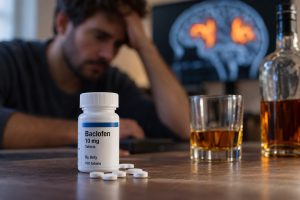
Key Takeaways A randomized study involving 31 adults found that heavy drinkers responded differently to a higher dose of baclofen, an inexpensive generic muscle relaxant used for decades. At …
Key Takeaways A study of 9,360 pregnancies among Tennessee Medicaid beneficiaries with opioid use disorder found that a greater number of days of dispensed medication around pregnancy and early …
Key Takeaways A JAMA Psychiatry study found that people with treatment-resistant depression showed changes in how they updated negative beliefs as early as four hours after their first ketamine …
Editor’s Note (September 2026): This article was originally published in 2020 and reflects the research and scientific context available at that time. It has been reviewed for accuracy, clarity, …
Key Findings: Recent studies show that psilocybin may be effective in treating depression, anxiety, trauma, eating disorders, and addiction, often outperforming other treatments. Psilocybin’s mind-altering effects conflict with Quranic …
Key Takeaways Mystical experiences predict better outcomes: In a 2025 study, veterans with more intense mystical feelings (unity, sacredness, transcendence) during magnesium-ibogaine treatment showed larger, sustained reductions in PTSD …
Key Takeaways Wild spider monkeys regularly consume naturally fermented fruits with 1–2% alcohol content. This behavior supports the “drunken monkey hypothesis,” suggesting humans may have evolved a preference for …
Anxiety is not always a disorder. Worry before an examination, nervousness before a medical test, or fear during a genuinely dangerous situation can all be normal responses. An anxiety …